Expert articles, wholesale sourcing guides, product developments, and technical manufacturing trends from Adil Stainless Steel.
A stainless steel pressure cooker is a sealed cooking vessel designed to build pressure safely through controlled steam. Unlike a regular pot, it raises the boiling point of water. Food can cook faster while retaining moisture, texture, and deep flavor. Stainless steel pressure cookers are valued for their strength, corrosion resistance, and clean appearance. Many models use layered bases that spread heat more evenly across the cooking surface. This helps reduce scorching, especially when preparing beans, stews, rice, or tough cuts of meat.
The design is practical, but it is not effortless. A pressure cooker requires correct sealing, enough liquid, and careful release procedures. The lid, gasket, pressure indicator, and safety valve all deserve attention before cooking. In daily kitchen use, a loose gasket may cause steam to escape, while an overfilled pot can affect safe pressure control. Small details matter. I have found that reading the manufacturer’s instructions is more reliable than copying a general cooking tip online. Cooking times also vary with food size, altitude, and appliance design. That uncertainty should be acknowledged. A well-made stainless steel pressure cooker can support efficient home cooking, yet it still demands patience and inspection. This guide explains how these cookers work, what their components do, and which practical features deserve attention before purchase or use. It focuses on informed choices rather than exaggerated promises.
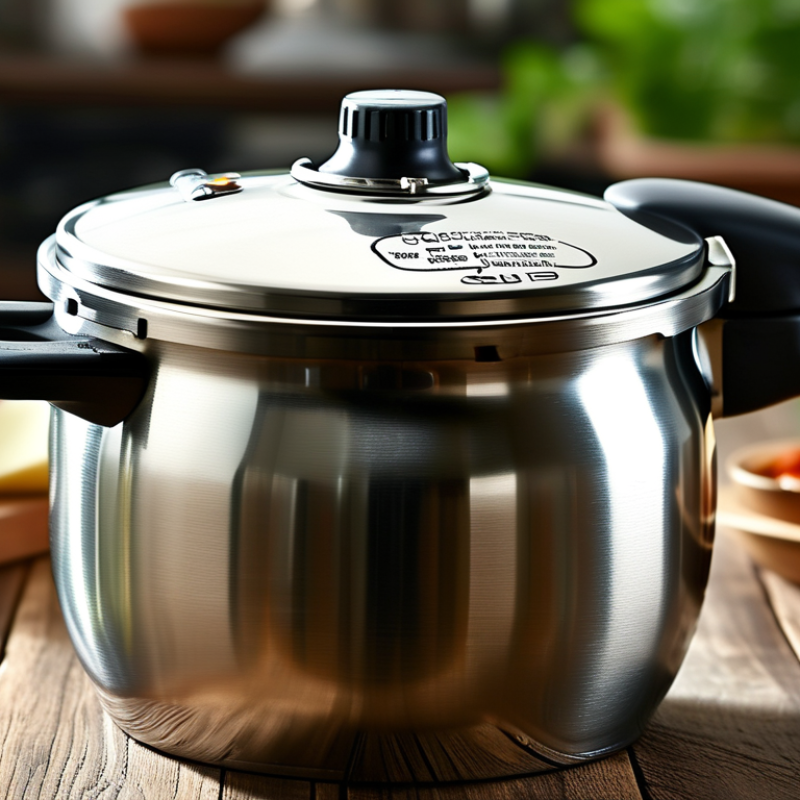
What Is a Stainless Steel Pressure Cooker?
A stainless steel pressure cooker is a sealed cooking vessel that uses steam pressure to raise the boiling point of water. Food cooks faster because heat moves through the pressurized environment. Its main body is usually made from food-grade stainless steel, often selected for strength, corrosion resistance, and easy cleaning. Stainless steel does not react easily with many acidic ingredients, although surface quality and maintenance still matter.
Core characteristics include a locking lid, sealing gasket, pressure regulator, and safety-release system. The locking mechanism should prevent opening while internal pressure remains high. A thick, layered base can spread heat more evenly across the stovetop. Some models include measurement marks inside the pot, which help when adding stock, beans, or rice. The exterior may stay bright after years of use, but water spots and discoloration are normal.
In practical use, I check the gasket for cracks and clear the steam valve before cooking. Small blockages can affect pressure control. I also leave enough empty space for foods that expand, such as lentils or grains. Never force the lid open. Release pressure according to the cooker’s instructions and keep hands away from escaping steam. I once underestimated how much foam beans could create, so I now use smaller batches. That mistake changed my routine. A pressure cooker is durable, but it still depends on careful handling and regular inspection.
A stainless steel pressure cooker is a sealed cooking vessel that uses steam pressure to raise the boiling point of water and cook food faster. Stainless steel provides corrosion resistance, durability, and a non-reactive cooking surface, while the pressure-control system regulates cooking conditions.
Chart explanation: As pressure increases above normal atmospheric pressure, the boiling point of water rises. A typical pressure cooker operating near 15 psi above atmospheric pressure reaches approximately 121°C, allowing food to cook at a higher temperature than in an open pot.
A stainless steel pressure cooker relies on several parts working together under controlled pressure. The stainless steel pot forms the main cooking chamber. It must resist heat, corrosion, and repeated washing. Its thick base spreads heat across the stove and reduces hot spots. However, a heavy base does not guarantee perfect cooking. Stove power and food quantity still matter.
The lid creates the sealed environment. A locking handle or latch keeps the lid secured while pressure rises. The sealing ring sits inside the lid and blocks steam from escaping around the rim. This flexible part can absorb cooking smells and may lose elasticity over time. I check it carefully before cooking. Small cracks deserve attention. The pressure regulator controls steam release and helps maintain the intended pressure level. It may use a weighted valve or another mechanical design. The safety valve provides backup protection if pressure becomes unusually high.
Handles stay cooler than the pot, allowing safer lifting, though they can still become warm near the lid. Some models include a trivet, which keeps vegetables, eggs, or delicate foods above the cooking liquid. The water remains below, while steam cooks the food evenly. A pressure indicator shows whether pressure has developed and whether the cooker is safe to open. Never force the lid. I once underestimated how much liquid beans needed, and the texture suffered. Measuring liquid, inspecting the ring, and cleaning each valve opening are simple habits. They also make the cooker more dependable.
A stainless steel pressure cooker is a sealed vessel that transforms ordinary steam into concentrated cooking energy. At sea level, water boils at 100°C, but pressure raises the boiling point. At about 15 psi above atmospheric pressure, steam can reach approximately 121°C, or 250°F. This hotter environment cooks food faster than uncovered simmering.
Inside the cooker, trapped steam condenses on cooler ingredients and transfers heat efficiently. The rising pressure also pushes moisture into beans, grains, and dense meat fibers. The result is tender food with less evaporation.
It is not magic.
The National Center for Home Food Preservation identifies 10–15 psi as a common pressure range for pressure canning, with temperatures around 240–250°F. Cooking appliances may use different controls, so their manuals still matter. The USDA Food Safety and Inspection Service recommends 165°F for poultry and 145°F, followed by a rest period, for whole cuts of meat. A pressure cooker does not replace a thermometer.
A stainless steel interior resists corrosion and handles repeated heating well, but it still needs inspection. Check the sealing ring, pressure valve, and lid before cooking. I sometimes underestimate how quickly liquid disappears from a loose-fitting recipe. That mistake changes texture. Too little liquid can prevent proper pressurization, while too much can dilute flavor and extend release time. Steam needs room to move.
What Is a Stainless Steel Pressure Cooker?
Stainless steel pressure cookers come in several practical types and sizes. Stovetop models heat quickly and offer direct pressure control. Electric models automate timing, temperature changes, and pressure release. A 2024 market report from Fortune Business Insights estimated the global pressure cooker market at about USD 4.8 billion in 2023. That growth reflects demand for faster home cooking, not just convenience.
Common household sizes include four, six, and eight quarts. A four-quart pot suits one or two people. Six quarts usually handles family meals, such as beans, soup, or a small chicken. Eight quarts gives more room, but it feels heavy when full. Most manufacturers advise filling only two-thirds of the vessel. Foods that expand may require half-full limits. The USDA notes that pressure environments can reach approximately 240°F to 250°F, depending on pressure and altitude.
Design details matter more than shiny steel. Look for 18/10 stainless steel, a thick bonded base, and clear pressure indicators. A locking lid, backup release path, and replaceable sealing ring are essential safety features. A practical check is simple: the gasket should sit evenly, without cracks or a loose edge. Capacity labels can mislead. Usable volume is smaller than the advertised volume.
Tips: Choose six quarts for flexible daily cooking. Check altitude guidance before adjusting cooking times. Never force the lid open. I still prefer manual release controls, because automatic settings can feel less predictable.
What Is a Stainless Steel Pressure Cooker?
A stainless steel pressure cooker uses sealed steam to raise cooking temperatures above normal boiling. This reduces cooking time for beans, grains, vegetables, and tough meat. Its pressure regulator releases excess steam, while a locking lid prevents opening under pressure. Many models also include a gasket, pressure indicator, and secondary overpressure valve.
Safety depends on maintenance, not pressure alone. The National Fire Protection Association reported about 167,800 home cooking fires annually from 2016 to 2020. That figure covers all cooking equipment, but it shows why unattended cooking deserves caution. The USDA Food Safety and Inspection Service advises following the appliance manual and using a food thermometer. Pressure can make food tender, but it does not remove every food-safety risk. I sometimes underestimate how quickly a clogged valve can become serious.
Tips: Check the gasket before every use. It should feel flexible, not cracked or sticky. Hold the lid toward a light and inspect the steam-release opening. Never force the lid open. Let pressure fall naturally for foamy foods, such as beans or grains. Clean the valve with a soft brush, not a sharp pin. The National Center for Home Food Preservation also distinguishes pressure cookers from pressure canners; ordinary cookers are not automatically suitable for preserving low-acid foods. Replace worn sealing parts according to the manual, even when they still appear usable. A small amount of residue can change performance.
| Data Dimension | Typical Information | Practical Use or Requirement | Safety and Maintenance Notes |
|---|---|---|---|
| Definition | A stainless steel pressure cooker is a sealed cooking vessel that uses steam pressure to raise the boiling temperature of water and cook food more quickly. | Suitable for pressure cooking, steaming, braising, simmering, and preparing foods such as beans, grains, vegetables, meat, and soups. | Only use the cooker according to its operating instructions and never attempt to open it while internal pressure remains. |
| Main Material | The body is commonly made from corrosion-resistant stainless steel. Many models use a thicker, layered base to distribute heat more evenly. | Stainless steel is durable, non-porous, and generally resistant to rust and food odors when properly cleaned and dried. | Avoid chlorine-based cleaners, steel wool, and abrasive powders that can damage the surface or cause discoloration. |
| Operating Pressure | Many stovetop pressure cookers operate at a regulated pressure of approximately 0.7–1.0 bar above atmospheric pressure, depending on the design and setting. | Higher pressure generally shortens cooking time compared with conventional stovetop cooking. | Pressure settings are not interchangeable between models. Follow the cooker’s marked pressure levels and instructions. |
| Cooking Temperature | Under typical operating pressure, the internal cooking temperature is commonly above the normal sea-level boiling point of water and may reach roughly 115–120°C. | The higher temperature helps soften tough foods and reduce cooking time. | Cooking performance varies with altitude, pressure setting, food quantity, and the amount of liquid used. |
| Common Capacities | Household models commonly range from about 3 to 10 liters, with larger capacities available for batch cooking. | Small capacities suit one or two people; medium capacities suit everyday family meals; larger models are useful for stocks and meal preparation. | Do not fill beyond the maximum fill mark. Foods that expand or foam may require a lower fill limit specified by the manufacturer. |
| Minimum Liquid | Pressure cooking requires sufficient liquid to generate steam. The required quantity varies by cooker design and recipe. | Water, stock, or another suitable cooking liquid can be used to build and maintain pressure. | Never operate the cooker dry. Insufficient liquid may cause overheating, scorching, or failure to reach pressure. |
| Primary Uses | Typical applications include cooking dried beans, lentils, rice, root vegetables, tough meat cuts, stews, soups, and homemade stock. | Foods that normally require long simmering can often be prepared more efficiently under pressure. | Adjust recipes carefully because pressure cooking retains more moisture than uncovered cooking and can overcook delicate ingredients. |
| Lid-Locking System | A mechanical locking mechanism prevents the lid from being removed when the cooker is pressurized. | The lid must be correctly aligned and fully locked before pressure can build safely. | Check that the lid, locking indicator, and sealing surfaces move freely and are not damaged or obstructed. |
| Pressure Regulator | A regulator, weighted valve, or spring-controlled valve controls the pressure by releasing excess steam. | It helps maintain the selected operating pressure during cooking. | Inspect the regulator regularly and keep its steam passage clear. Never cover, remove, or modify the regulator during operation. |
| Overpressure Protection | Many pressure cookers include a secondary pressure-release feature, such as an overpressure plug or backup valve. | It provides an additional route for releasing pressure if the primary regulator becomes obstructed or cannot function normally. | Do not use the cooker if an overpressure component is missing, cracked, hardened, or improperly fitted. |
| Sealing Gasket | A flexible heat-resistant gasket forms the seal between the lid and the cooker body. | A properly seated gasket allows pressure to build and reduces steam leakage. | Remove, wash, and inspect the gasket after use. Replace it when it becomes cracked, permanently flattened, brittle, loose, or unable to seal. |
| Steam Release Methods | Common methods include natural release, controlled quick release, and cold-water release where specifically permitted by the cooker instructions. | Natural release is useful for soups, beans, and dense foods; quick release is often used for vegetables and foods that may overcook. | Keep hands and face away from escaping steam. Do not force the lid open, and use a long utensil when operating a release control if appropriate. |
| Food Expansion | Rice, grains, beans, pasta, and dried vegetables can expand or foam significantly during cooking. | These foods may require reduced filling levels and careful release procedures. | Follow the cooker’s special maximum-fill guidance for expanding or foaming foods to help prevent blocked valves. |
| Cleaning After Use | Wash the pot, lid, gasket, regulator, and removable safety components using warm water and mild dish detergent unless the instructions state otherwise. | Prompt cleaning removes food residue, grease, and mineral deposits that can affect sealing and valve operation. | Dry all parts thoroughly. Do not immerse components that the instructions identify as non-immersible. |
| Valve Inspection | The steam-release path should remain free of food particles, grease, mineral scale, and other obstructions. | A clear valve supports consistent pressure regulation and safe steam release. | Inspect the valve before each use when practical. Clean it gently without inserting sharp objects that could damage the passage. |
| Stainless Steel Discoloration | Rainbow colors, white mineral spots, or light stains may appear after heating or contact with hard water and certain foods. | These marks usually affect appearance rather than basic function. | Use a non-abrasive stainless-steel cleaner or a mild acidic solution where suitable, then rinse and dry the surface. |
| Cooking Surface Compatibility | Many stainless steel pressure cookers are designed for gas, electric, ceramic, or induction cooking, but compatibility depends on the base construction. | Confirm that the cooker is suitable for the specific stovetop before use. | Use a burner or heating zone no larger than the cooker base when possible, and avoid overheating an empty pot. |
| Inspection Frequency | Basic inspection should be performed before use, while gasket and safety-component checks should be repeated regularly. | Routine checks help identify wear before it affects pressure control or sealing. | Stop using the cooker if the body is badly dented, the lid is warped, the handle is loose, or any safety device appears damaged. |
| Storage | The cooker should be stored clean and completely dry, with removable components kept in a ventilated condition. | Proper storage helps prevent odors, mildew, corrosion, and premature gasket deterioration. | Where recommended, store the lid loosely positioned or upside down rather than tightly sealed onto the pot. |
| Expected Service Life | The stainless steel body can remain serviceable for many years, while gaskets and small safety components generally wear sooner. | Replacing wear parts can restore sealing and normal operation without replacing the entire cooker. | Use only compatible replacement parts and follow the inspection or replacement intervals provided for the specific model. |
It is a sealed pot that uses steam pressure to cook food faster. The stainless steel chamber resists heat, corrosion, and repeated washing. Its thick base spreads heat, but stove power still affects results.
A locking handle secures the lid as pressure rises. The sealing ring blocks steam around the rim. Check it before cooking. Small cracks matter.
The regulator controls steam release and helps maintain steady pressure. It may use a weighted valve or another mechanical design. A separate safety valve provides backup protection.
Check the pressure indicator and wait until pressure fully falls. Never force the lid. The handle may feel cool, but nearby metal can remain warm.
Beans, grains, vegetables, and tough meat usually benefit from pressure cooking. A trivet can hold eggs or delicate vegetables above the cooking liquid. Steam cooks them evenly.
Use the amount required by the cooking instructions. Food needs enough liquid to create steam. I once underestimated liquid for beans, and the texture suffered.
Wash the pot and inspect the sealing ring after use. Clean every valve opening with a soft brush. Do not use a sharp pin. Small residue can change performance.
Let pressure fall naturally after cooking beans or grains. Foam can affect the valve and release opening. Unattended cooking deserves caution.
No. A pressure cooker is not automatically a pressure canner. Follow the appliance manual and current food-safety guidance. Use a food thermometer when appropriate. This distinction is easy to overlook.
A stainless steel pressure cooker is a durable kitchen vessel designed to prepare food quickly by trapping steam and increasing pressure inside a sealed pot. Its main components typically include a stainless steel cooking body, a locking lid, a sealing gasket, a pressure regulator, and safety valves. Together, these parts maintain controlled pressure while preventing the lid from being opened before the pressure has been safely released.
Inside the cooker, heat turns liquid into steam, raising the temperature and softening food faster than conventional cooking. Stainless steel pressure cookers are available in different capacities and may feature measurement marks, sturdy handles, multi-layer bases, and adjustable pressure settings. They can be used for grains, beans, vegetables, soups, stews, and tender meat. Safe operation requires checking the gasket, valves, and lid before use, avoiding overfilling, and following proper pressure-release procedures. Regular cleaning, drying, and inspection help maintain performance and extend the cooker’s service life.