Stainless Steel Cookware Blog & Insights
Kitchenware Industry News and Guides
Cookware Manufacturing Insights
Industry Insights & Updates

Cookware Blog & Insights

Expert articles, wholesale sourcing guides, product developments, and technical manufacturing trends from Adil Stainless Steel.

0%

For a busy food business, cookware affects speed, consistency, and daily operating costs. Stainless steel cookware sets offer a practical foundation for restaurants, cafés, catering teams, and hospitality kitchens. Their polished surfaces handle frequent cooking, washing, and storage without demanding delicate treatment. That matters during a crowded service.

Professional cooks often value stainless steel for its strength and neutral cooking surface. It does not easily absorb odors, colors, or flavors from sauces and spices. A well-made set can support searing, simmering, boiling, and sauce preparation across one kitchen. Matching pans also simplify storage and improve workflow. Staff can find the right size faster.

Durability is only part of the decision. Buyers should examine handle design, lid fit, base construction, heat distribution, and compatibility with induction equipment. Some sets perform unevenly when their bases are too thin. No material is perfect. Stainless steel may develop water spots, and inexperienced users can overheat food or create sticking. Training still matters.

This guide explores why stainless steel cookware sets remain a dependable business investment. It considers performance, maintenance, hygiene practices, and long-term value. The discussion reflects practical kitchen experience and widely accepted foodservice expectations, while recognizing that each operation has different needs. A small café may prioritize compact storage. A high-volume restaurant may need heavier pans and reinforced handles. The best choice is not simply the most expensive set. It is the one that matches real work, daily pressure, and responsible purchasing decisions.
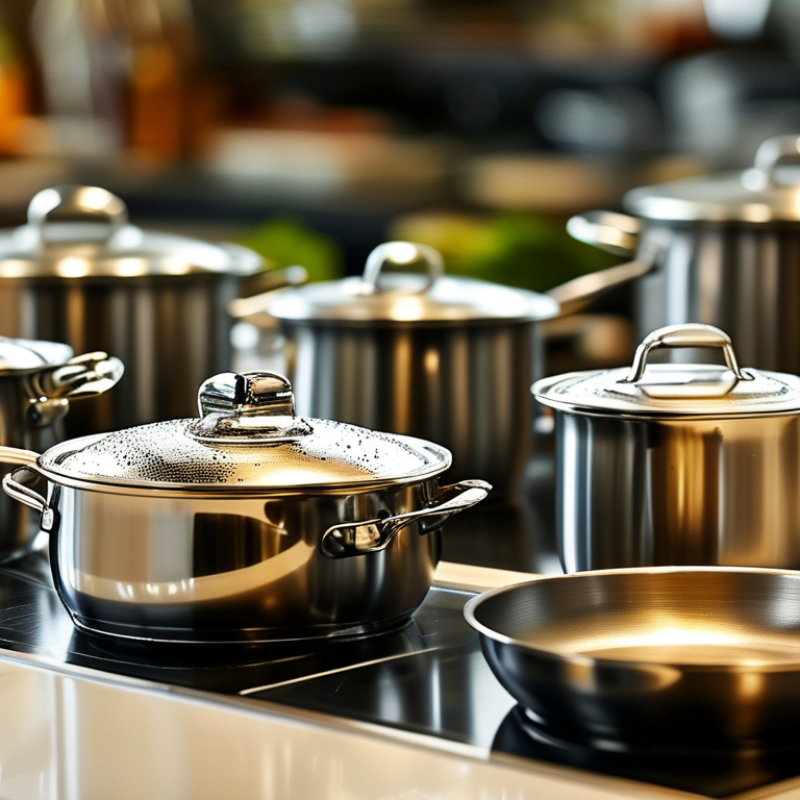
Why Choose Stainless Steel Cookware Sets for Your Business?

What Stainless Steel Cookware Sets Are and How They Work

Stainless steel cookware sets usually include saucepans, stockpots, sauté pans, and matching lids. The cooking surface is made from corrosion-resistant steel. It does not react easily with tomatoes, wine, or acidic sauces. Many professional pieces use layered construction. An aluminum or copper core sits between steel layers and spreads heat more evenly. This design helps reduce hot spots. Plain steel can heat slowly and unevenly.

The cookware works through direct heat transfer from the burner to the pan base. Gas flames heat the bottom quickly, while electric surfaces transfer heat through contact. Induction requires a magnetic stainless steel base. Not every stainless steel pan supports induction, so checking the base matters. Lids retain steam and heat, which can shorten cooking time. Riveted handles usually remain stable during repeated commercial use, although they can become hot.

In busy kitchens, these sets handle boiling, browning, simmering, and batch cooking. Preheating the pan before adding oil improves searing. Lowering the heat after preheating often prevents food from sticking. Small details matter. However, stainless steel is not effortless. Burnt starch may need soaking, and harsh cleaning can dull the surface. Water spots can also appear after air-drying. A practical routine is simple: cool the pan, wash it with mild detergent, and dry it fully. One limitation deserves attention: lightweight sets may warp under intense heat. That flaw is easy to overlook during purchasing. Check the base thickness, handle strength, lid fit, and warranty terms before equipping a commercial kitchen.

Key Benefits for Commercial Kitchens and Foodservice Businesses

Stainless steel cookware sets suit the demanding rhythm of commercial kitchens and foodservice businesses. Their strong construction handles frequent cooking, washing, and temperature changes. A well-made pot can support busy service for years. It also resists rust, stains, and food odors when cleaned properly. This matters in kitchens where sauce, steam, and heat appear every minute.

Stainless steel offers a neutral cooking surface, so it does not easily transfer flavors between dishes. Teams can prepare soup, vegetables, sauces, and proteins with consistent results. Many sets include different pan sizes, helping staff control portions and reduce unnecessary equipment changes. Smooth surfaces also make inspection easier. However, stainless steel is not perfect. Food may stick when heat control is poor. Uneven heating can also create hot spots in lower-quality pieces. Professional results still require suitable temperatures, enough cooking fat, and trained staff.

Tips: Choose sets with sturdy handles, balanced weight, and thick, multi-layer bases. Check that lids fit firmly and remain comfortable during long shifts. Match pan sizes to your menu and storage space. Avoid overcrowding shelves, which can cause dents and slow cleaning. Review the cookware after several weeks of service, not just on delivery day. A small weakness may become obvious only during a busy lunch period.

Stainless steel offers lower thermal conductivity than aluminum and copper, but its value in commercial kitchens comes from excellent corrosion resistance, durability, hygiene, and compatibility with frequent cleaning. The figures shown are typical room-temperature thermal-conductivity values; actual performance varies by alloy, thickness, and cookware construction.

How to Evaluate Material Quality, Design, and Set Composition

Choosing stainless steel cookware for a business requires more than checking its shine.

Material quality affects hygiene, durability, and daily operating costs. The FDA Food Code 2022 requires food-contact surfaces to be smooth, corrosion-resistant, and nonabsorbent. These requirements fit professional stainless steel well.

ASTM A240/A240M identifies common 304 stainless steel as containing about 18–20% chromium and 8–10.5% nickel. Chromium supports corrosion resistance, while nickel improves stability and appearance.

Ask suppliers for mill certificates, steel grades, and thickness details. Do not trust “premium” wording alone.

Design matters during busy service. Choose riveted or welded handles with comfortable clearance from hot surfaces. Lids should fit tightly but release steam safely. A flat, reinforced base helps prevent wobbling on induction or gas ranges.

In my experience, very lightweight pans heat quickly but often feel unstable. I have misjudged that trade-off before.

Easy cleaning also matters, especially around handle joints and rolled edges. The set should match your menu, not simply look complete.

Tips:

Compare the actual pieces, not only the advertised count. A twelve-piece set may include six lids and useless accessories. Check pan diameters, usable capacity, weight, and replacement availability.

The FDA Food Code and ASTM documents are useful references, but they cannot replace a hands-on test. Heat one sample, inspect its balance, and review cleaning after service. A perfect specification may still perform poorly in a crowded kitchen.

Comparing Stainless Steel with Other Commercial Cookware Materials

When choosing commercial cookware, stainless steel offers a practical balance between durability, hygiene, and maintenance. In daily kitchen work, its rigid surface tolerates stacking, scraping, and repeated washing. The 2022 FDA Food Code requires food-contact surfaces to be corrosion-resistant, smooth, nonabsorbent, and easily cleanable. Stainless steel generally fits these requirements well.

Material comparisons are less tidy. Aluminum heats quickly and costs less, but it can dent and react with certain acidic foods. Cast iron retains heat effectively, yet it is heavy and needs careful drying. Copper provides excellent heat control, although its price and maintenance burden can challenge busy operations. Nonstick cookware releases food easily, but surface damage may reduce its useful life. Stainless steel heats less evenly than aluminum. That weakness matters.

Layered construction can improve performance.

For energy-conscious kitchens, the U.S. Department of Energy reports that induction cooking can transfer about 85% of energy to cookware, compared with roughly 40% for gas. Stainless steel cookware must contain a magnetic base for induction compatibility, so specifications deserve close inspection. World Stainless reported approximately 58.4 million tonnes of global stainless steel production in 2023, reflecting its broad industrial use. Its recycling value is another advantage, though recycling outcomes depend on local collection systems. In practice, stainless steel often survives demanding service, but it is not maintenance-free. Burnt starch still needs patience, and poor-quality handles can fail before the cooking surface.

Care, Maintenance, and Long-Term Cost Considerations

Stainless steel cookware earns its place in busy kitchens through disciplined care, not neglect. After service, let hot pans cool briefly before washing them. Cold water on a smoking pan can warp the base or stress its layers. Use warm water, mild detergent, and a soft sponge to remove grease without dulling the surface. For stuck food, soak the pan, then loosen it with a wooden or nylon tool. Never rely on steel wool as a routine solution. It can leave fine scratches where residue later collects.

I have found that drying matters as much as washing. Water spots appear quickly, especially in hard-water areas. A clean towel prevents chalky marks and reveals cracks, loose handles, or damaged rivets. For brown heat stains, a stainless-safe cleaner or baking soda paste usually works. Rinse thoroughly. Avoid chlorine products and harsh scouring powders, which may attack the surface. The finish is durable, but it is not indestructible.

Long-term cost depends on more than the purchase price. A pan that heats evenly can reduce scorching, rework, and wasted ingredients. Reliable handles also lower replacement risks during demanding shifts. Inspect bases monthly, especially when cookware is stacked or moved across metal counters. Record damaged pieces before they fail during service. That habit sounds minor. Yet it can prevent downtime and rushed purchases. I used to overlook discoloration as cosmetic, but it sometimes signaled overheating and poor temperature control. The cheapest set may not remain cheapest after repairs, labor, and early replacement are counted.

FAQS

Why is stainless steel cookware suitable for busy commercial kitchens?

It handles frequent cooking, washing, stacking, and temperature changes. A strong pot may serve for years. It also resists rust, stains, and food odors when cleaned properly. That matters during a crowded lunch service.

Does stainless steel prevent flavors from mixing between dishes?

Usually, yes. Its neutral surface does not easily transfer flavors. Teams can cook soups, vegetables, sauces, and proteins with consistent results. Cleaning still matters, especially after strong sauces or burnt food.

What problems can occur with stainless steel cookware?

Food can stick when heat control is poor. Lower-quality pans may create hot spots. Stainless steel also heats less evenly than aluminum. It is useful, but not perfect.

What features should a commercial cookware set include?

Look for sturdy handles, balanced weight, and thick multi-layer bases. Lids should fit firmly and release steam safely. A reinforced base should sit steadily on gas or induction ranges. Very light pans can feel unstable during fast service.

How can a business judge stainless steel quality?

Check the steel grade, thickness, and construction details. A common grade contains about 18–20% chromium and 8–10.5% nickel. Ask for material documents instead of trusting “premium” wording. Shine alone proves little.

What should buyers inspect before choosing a cookware set?

Compare the actual pieces, not only the advertised quantity. Check pan diameters, usable capacity, weight, and replacement options. A twelve-piece set may contain several lids and few useful pans. That mistake is easy to make.

Is stainless steel better than aluminum, cast iron, copper, or nonstick cookware?

It offers a practical balance of durability, hygiene, and maintenance. Aluminum heats quickly but may dent or react with acidic foods. Cast iron retains heat but feels heavy and needs careful drying. Copper controls heat well but costs more to maintain. Nonstick surfaces release food easily, yet damage can shorten their service life. No material wins every task.

Can stainless steel cookware work with induction cooking?

Yes, but it needs a magnetic base. Check the product specifications before purchase. Induction can transfer energy to cookware more efficiently than gas in many kitchens. Test one pan if possible. A specification may still disappoint during service.

How should commercial kitchens maintain stainless steel cookware?

Clean cookware promptly after use, especially around handles and rolled edges. Remove burnt starch patiently rather than relying on aggressive scraping. Dry cast or metal surfaces fully before storage. Avoid overcrowded shelves, which can cause dents and slow cleaning. Review the set after several weeks. Delivery-day inspection is not enough.

Conclusion

Stainless steel cookware sets are coordinated collections of pots, pans, and essential kitchen tools designed to provide reliable performance across a wide range of cooking tasks. In commercial kitchens and foodservice businesses, they offer strong resistance to corrosion, high durability, easy cleaning, and a professional appearance. Their versatility supports boiling, sautéing, simmering, steaming, and preparation in busy, high-volume environments.

When evaluating stainless steel cookware sets, businesses should consider material thickness, construction quality, heat distribution, handle design, lid fit, compatibility with cooking equipment, and whether the set includes the most frequently used pieces. Stainless steel is often more durable and easier to maintain than materials that may chip, react with acidic foods, or require special handling. Although the initial investment can be higher, proper cleaning, drying, storage, and routine inspection can extend service life and reduce replacement costs. Choosing a well-designed set can therefore improve kitchen efficiency, food preparation consistency, and long-term value.

Charlotte

Charlotte

Charlotte is a dedicated marketing professional with a strong understanding of the company’s products, customers, and long-term business goals. Through a combination of market research, strategic planning, and clear communication, she helps present complex product information in a practical and......