Export-Grade Catalog: Recommended Stainless Steel Cookware for Algeria
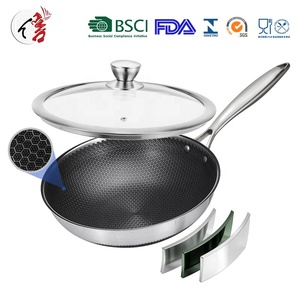
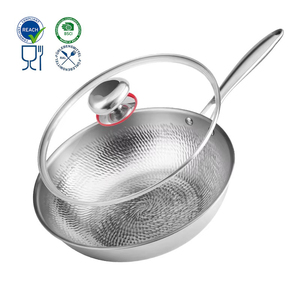
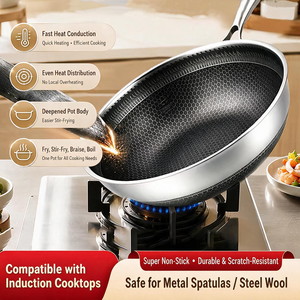
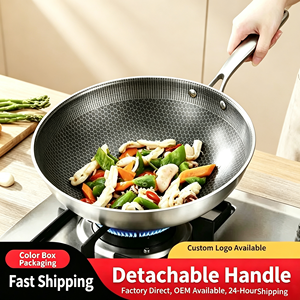
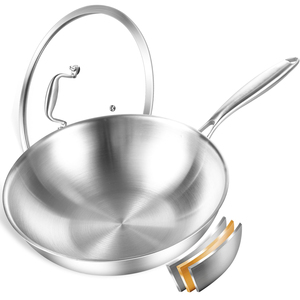
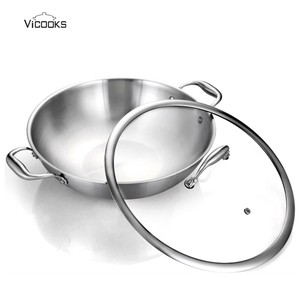
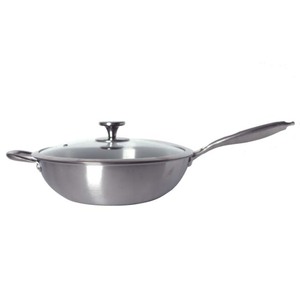
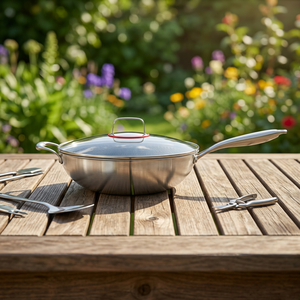
Our high-precision manufacturing line supplies food-grade stainless steel woks, fry pans, and multi-piece cookware sets customized for the North African market. Featuring advanced laser-etched honeycomb matrices, multi-layer clad aluminum cores, and magnetic induction bases, these items deliver outstanding thermal responsiveness across both traditional gas burners and modern induction cooktops.
Market Analysis & Strategic Import Trends in Algeria
The Algerian kitchenware and housewares market is undergoing a significant structural evolution driven by changing consumer preferences, urban growth, and evolving economic policies. Importers operating out of main commercial hubs—such as the El Eulma (Sétif) wholesale market, Jamel district in Algiers, and Medina Jedida in Oran—are transitioning rapidly from traditional cast aluminum and basic single-layer stainless cookware to high-end, multi-layer clad stainless steel products.
Shift Toward Tri-Ply & 316 Medical-Grade Alloys
Algerian consumers are increasingly aware of food safety and material hygiene. Single-layer coated aluminum cookware suffers from rapid coating degradation when subjected to high-flame butane stoves. Modern households in major metropolitan cities like Algiers, Constantine, and Annaba are opting for SUS304 and SUS316 surgical-grade stainless steel woks featuring tri-ply cladding (SUS304 inner layer + pure aluminum thermal core + SUS430 magnetic outer base).
Rise of Dual Gas & Induction Compatibility
While LPG and natural gas remain the dominant cooking energy sources across Algeria, infrastructure modernization in new housing projects (such as AADL developments) has triggered an uptick in induction cooktop installations. Importers must source cookware equipped with high-permeability magnetic stainless steel bases (AISI 430) to guarantee 100% universal induction and gas burner performance.
Strict Regulatory Compliance (CACQE Standards)
The Algerian Ministry of Commerce and National Quality Control Inspection (CACQE - Centre Algérien du Contrôle de la Qualité et de la Emballage) enforces stringent heavy metal leaching limits (lead, cadmium, nickel). Chinese manufacturing partners must supply authentic material test reports, ISO9001 certifications, and food-grade compliance documents to prevent customs detention at Port of Algiers or Port of Oran.
Technical Specification Comparison: Single Layer vs. Clad Tri-Ply Honeycomb Steel
For B2B buyers evaluating commercial container loads, understanding the mechanical and thermal properties of imported cookware is essential to minimizing customer returns and maintaining brand equity in the Maghreb market.
| Structural Parameter | Standard Single-Layer Stainless (201 Grade) | Heavy-Duty Tri-Ply Clad (304 + Al + 430) | Premium 316 Titanium Micro-Honeycomb |
|---|---|---|---|
| Corrosion Resistance | Low (Prone to pitting with acidic sauces) | High (Resists salt, vinegars, and spices) | Exceptional (Medical grade 316 titanium layer) |
| Thermal Conductivity | Uneven (Creates localized hot spots) | Fast & Uniform (Full body aluminum core) | Optimized Heat Retention & Distribution |
| Utensil Scratch Resistance | Moderate | High Mechanical Strength | Maximum (Protected by raised steel matrix) |
| Gas & Induction Efficiency | Gas only (Non-magnetic base warp risk) | Universal 100% Induction & Gas Compatible | Universal with Encapsulated Heavy Impact Bottom |
| Average Lifespan (Household) | 1 - 2 Years | 8 - 12 Years | 15+ Years (Lifetime Commercial Grade) |
Culinary Engineering & Localized Application Scenarios in Algeria
Understanding the specific culinary habits of North Africa is critical when designing and exporting stainless steel cookware. Algerian cuisine demands prolonged simmering, high-temperature searing, and heavy usage of salt, tomato paste, olive oil, and regional spice blends (such as Ras el Hanout).
High-Acid Stews & Slow Simmering (Chorba & Tajine Bases)
Dishes like Chorba Frik, Tajine Zitoun, and tomato-heavy meat stews require sustained heat input over long periods. Low-grade metal cookers leach metallic micro-particles when exposed to acidic tomatoes and vinegars. Our SUS304 and SUS316 non-reactive inner liners ensure zero flavor contamination, zero metallic taste transfer, and superior resistance to chemical pitting.
High Thermal Shock Resistance for Gas Stoves
Heavy gas flames prevalent in Algerian domestic kitchens generate extreme local temperatures exceeding 600°C. Standard bonded disc bottoms often experience thermal fatigue, leading to disc separation over time. Our fully clad tri-ply structure and heavy press-stamped bodies prevent warping, bottom bulging, and base delamination under high thermal shocks.
Metal Utensil Resistance for Daily Family Cooking
Traditional cooking techniques involve rigorous stirring with stainless steel spoons and heavy skimmers during large family meal preparations (such as Couscous sauce preparation). The raised steel honeycomb ridges protect the recessed non-stick coating beneath, allowing users to stir with metal utensils without scratching or peeling the cooking surface.
Frequently Asked Questions (FAQ) for Algerian Cookware Importers
Our Manufacturing Infrastructure & B2B Supply Chain Strengths
With over 18 years of specialized manufacturing history, our manufacturing enterprise stands as an industry leader in high-end stainless steel cookware processing. Located within a modern industrial zone covering over 45,000 square meters, our facility integrates raw coil slitting, hydraulic deep-drawing, automated laser etching, robotic welding, and multi-stage polishing lines.
Advanced Cladding & Deep-Drawing Hydraulics
Equipped with 2,500-ton hydraulic presses and automated multi-layer bonding technology, our factory ensures flawless material lamination. Every cookware piece undergoes stringent ultrasonic bond testing to verify zero micro-gaps between the stainless steel and aluminum core layers.
Laser Etching & Coating Application Cleanrooms
Our non-stick coating application lines operate within dust-free cleanrooms utilizing computerized electrostatic spraying. We utilize premium imported Whitford QuanTanium and German Greblon coating systems free from PFOA, PFOS, lead, and cadmium.
Rigorous Quality Control & Metallurgical Testing
Our internal laboratory conducts rigorous salt spray tests (96-hour anti-corrosion verification), thermal shock endurance trials (heating to 300°C followed by cold water quenching), handle rivet shear stress testing, and magnetic induction permeability analysis on every production batch.
Partner with a Premier Chinese Stainless Steel Cookware Exporter
Expand your retail, wholesale, or distribution business in Algeria with factory-direct pricing, guaranteed CACQE compliance, and engineering excellence. Contact our international trade team today for technical catalogs, FOB/CIF freight quotes, and sample requests.
Contact Us