Stainless Steel Cookware Blog & Insights
Kitchenware Industry News and Guides
Cookware Manufacturing Insights
Industry Insights & Updates

Cookware Blog & Insights

Expert articles, wholesale sourcing guides, product developments, and technical manufacturing trends from Adil Stainless Steel.

Blog

Why Choose Stainless Steel Cookware Sets for Your Business?

Why Choose Stainless Steel Cookware Sets for Your Business?

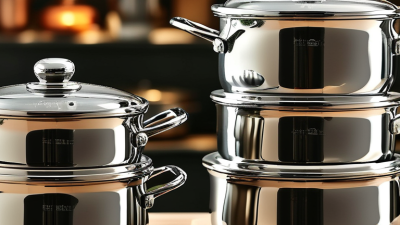
For a busy food business, cookware affects speed, consistency, and daily operating costs. Stainless steel cookware sets offer a practical foundation for restaurants, cafés, catering teams, and hospitality kitchens. Their polished surfaces handle frequent cooking, washing, and storage without demanding delicate treatment. That matters during a crowded service. Professional cooks often value stainless steel for its strength and neutral cooking surface. It does not easily absorb odors, colors, or flavors from sauces and spices. A well-made set can support searing, simmering, boiling, and sauce preparation across one kitchen. Matching pans also simplify storage and improve workflow. Staff can find the right size faster. Durability is only part of the decision. Buyers should examine handle design, lid fit, base construction, heat distribution, and compatibility with induction equipment. Some sets perform unevenly when their bases are too thin. No material is perfect. Stainless steel may develop water spots, and inexperienced users can overheat food or create sticking. Training still matters. This guide explores why stainless steel cookware sets remain a dependable business investment. It considers performance, maintenance, hygiene practices, and long-term value. The discussion reflects practical kitchen experience and widely accepted foodservice expectations, while recognizing that each operation has different needs. A small café may prioritize compact storage. A high-volume restaurant may need heavier pans and reinforced handles. The best choice is not simply the most expensive set. It is the one that matches real work, daily pressure, and responsible purchasing decisions.
Read more »
Charlotte By:Charlotte - September 11, 2026
What Is a Stainless Steel Pressure Cooker?

What Is a Stainless Steel Pressure Cooker?

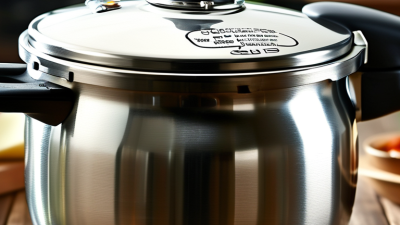
A stainless steel pressure cooker is a sealed cooking vessel designed to build pressure safely through controlled steam. Unlike a regular pot, it raises the boiling point of water. Food can cook faster while retaining moisture, texture, and deep flavor. Stainless steel pressure cookers are valued for their strength, corrosion resistance, and clean appearance. Many models use layered bases that spread heat more evenly across the cooking surface. This helps reduce scorching, especially when preparing beans, stews, rice, or tough cuts of meat. The design is practical, but it is not effortless. A pressure cooker requires correct sealing, enough liquid, and careful release procedures. The lid, gasket, pressure indicator, and safety valve all deserve attention before cooking. In daily kitchen use, a loose gasket may cause steam to escape, while an overfilled pot can affect safe pressure control. Small details matter. I have found that reading the manufacturer’s instructions is more reliable than copying a general cooking tip online. Cooking times also vary with food size, altitude, and appliance design. That uncertainty should be acknowledged. A well-made stainless steel pressure cooker can support efficient home cooking, yet it still demands patience and inspection. This guide explains how these cookers work, what their components do, and which practical features deserve attention before purchase or use. It focuses on informed choices rather than exaggerated promises.
Read more »
Charlotte By:Charlotte - September 11, 2026
How to Choose Tri Ply Stainless Steel Cookware for Wholesale

How to Choose Tri Ply Stainless Steel Cookware for Wholesale

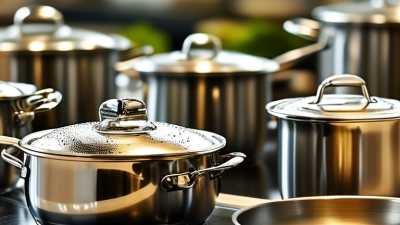
Choosing tri-ply stainless steel cookware for wholesale requires more than comparing prices and polished product photos. Buyers must examine construction, performance, supplier reliability, and long-term value. A well-made tri-ply design usually combines stainless steel with an aluminum or copper core, helping distribute heat more evenly across the pan. This matters in busy kitchens where uneven heating can scorch sauces or leave vegetables partly raw. Begin with the cookware’s material specifications and manufacturing details. Confirm the stainless steel grade, layer structure, wall thickness, handle attachment, lid fit, and surface finish. Request samples before placing a large order. Hold each piece, test the balance, and inspect the cooking surface under strong light. Small welding marks may reveal inconsistent workmanship. They should not be ignored. Wholesale buyers also need practical evidence. Ask suppliers about production capacity, quality-control procedures, packaging strength, replacement policies, and delivery records. Certifications and test reports can support trust, but documents should match the actual products supplied. A factory visit, video inspection, or independent product testing may provide stronger reassurance. Still, no supplier is perfect. Even experienced manufacturers can face delays, batch differences, or packaging damage. Think about the final customer. A restaurant may value thick bases and durable handles, while a retail buyer may prefer lighter pieces with attractive presentation. Induction compatibility, dishwasher guidance, oven temperature limits, and warranty terms should be clear. Cheap cookware can create expensive complaints. However, the highest price does not guarantee the best result. Compare verified performance, service, and consistency before deciding. Your first order should be treated as a measured trial, not an assumption of lifelong cooperation.
Read more »
Evelyn By:Evelyn - September 11, 2026